Rewasa · Sikar · Rajasthan
जय जीण भवानी
Every bhajan of Shri Jeen Mata, gathered in one sacred sangrah
Morning prabhati and midnight jagran, Rajasthani lok geet and simple dhun for children — Jeenmata Bhajan collects the songs devotees sing to the goddess of the Aravalli hills, with full lyrics, meanings, aarti, chalisa and the story behind each verse.
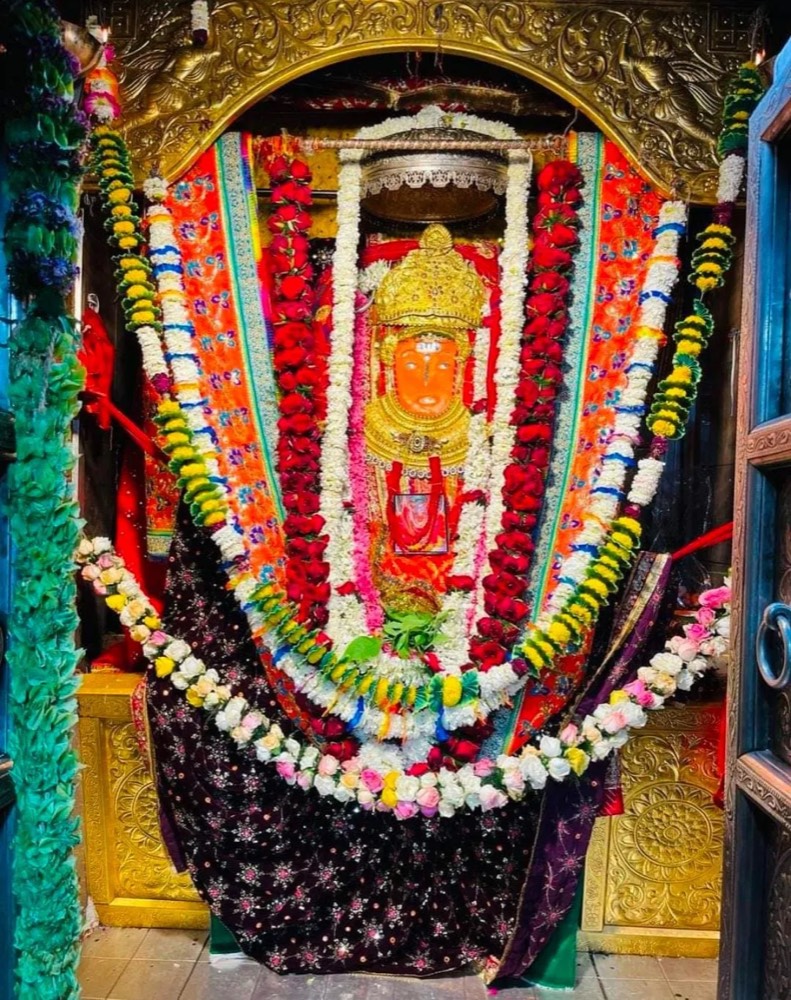
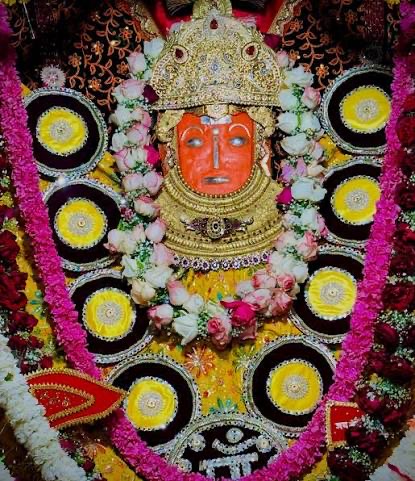
Aaj ka Bhajan · Bhajan of the Day
“Bhor Bhai Jeen Bhawani” — the song that opens the temple day
Before the first bell rings at Rewasa, devotees gather at the foot of the hill and wake the Mother with a prabhati. This gentle morning bhajan follows that custom: it imagines the dawn light touching the Aravalli ridges, the conch sounding from the shikhar, and the devotee asking only for a glimpse of her face before beginning the day’s work.
भोर भई जीण भवानी, खोलो मंदिर द्वार, अरावली की चोटी पे, गूँजे शंख पुकार। सिंदूरी मुख दरस दिखा दो, हे मैया सुखधाम, दिन भर रटता जाऊँ मैं, जीण भवानी नाम॥
Meaning: Dawn has come, O Jeen Bhawani — open the temple doors. On the Aravalli peak the conch calls out. Show me your sindoor-bright face, O Mother, abode of happiness, so that I may repeat your name all day long.
Read the full bhajanBrowse by Bhav
Nine moods of devotion, one Mother
A bhajan is chosen as much by the hour and the occasion as by the singer’s heart. The sangrah is arranged in the same way devotees actually sing — from the quiet prabhati of dawn to the drum-led jagran that carries the night.
Prabhati — Morning Bhajans
Soft, slow songs that wake the goddess and the devotee together, sung before Mangla aarti.
Stuti & Vandana
Hymns of praise to the eight-armed Mother.
Navratri
Chunari, jyot and nine nights of celebration.
Jagran & Chowki
High-energy songs for all-night vigils.
Katha Geet
The story of Jeen and her brother Harsh, sung.
Leela — The Miracles of the Mother
The legend of the swarming bees that defended the temple, and the eternal flame that has never been allowed to go out.
Rajasthani Lok
Marwari-Shekhawati folk melodies.
Dhun & Kirtan
Short repeating chants that a whole gathering can pick up in a minute — ideal for children, elders and first-time devotees.
Padyatra & Vidai
Walking songs and farewell bhajans.
Who is Jeen Mata
The sister who became the Mother of Shekhawati
“She left a home that measured love by a water pot, and found a love that no one could measure.”
Shri Jeen Mata — remembered also as Jeen Bhawani, Jayanti Mata and, in the oldest folk songs, as Jeevan Bai — is one of the most beloved forms of Shakti in Rajasthan. Her temple sits in a fold of the Aravalli hills near Rewasa village in Sikar district, where the dry Shekhawati plain rises into rocky ridges. For centuries, families from across Rajasthan and from the Marwari diaspora in Kolkata, Mumbai, Assam and beyond have travelled here to offer chunari, coconut and sindoor, and to sing.
Folk tradition tells that Jeen was born into a Chauhan family and grew up deeply devoted to her elder brother Harsh. A small household quarrel — a test of whose water pot Harsh would lift first — broke her heart, and she walked away into the hills to give her life to penance. Harsh followed and pleaded with her to return; when she would not, he too took up austerities on a neighbouring ridge, which is why the nearby Harshnath temple is worshipped as her brother’s seat. You can read the whole story on our Jeen Mata Katha page.
Devotees see in the goddess at Rewasa a form of Durga as the eight-armed slayer of evil. The deity’s face, glowing with fresh sindoor, is adorned daily in silks, silver and garlands — a shringar that changes with the festivals and the seasons. She is worshipped as a kuldevi (family goddess) by many lineages, and newly married couples, families with new-born children and those beginning new ventures come to take her blessing first.
What makes Jeen Mata’s worship distinctive is how much of it is sung. The folk ballad of Jeen Mata performed by wandering jogi singers is so long that Rajasthani folklore studies often describe it as one of the longest folk songs of the state. Every Navratri the hills echo with dhol, chang and manjira as village groups arrive singing. Bhajan is not decoration here — it is the main path of devotion.
Din Bhar Ki Seva
A day of worship, and the bhajan for every hour
Temples of the Mother follow a daily rhythm of waking, adorning, feeding, praising and resting the deity. Exact timings at Rewasa change with the season and festivals, so please confirm locally — but the sequence below, and the bhajan that suits each part of it, is how most devotees structure their own home worship.
- मंगला
Mangla
At first light the doors open. Sing a prabhati such as “Bhor Bhai Jeen Bhawani”.
- श्रृंगार
Shringar
The Mother is bathed and adorned. Stuti bhajans praising her beauty suit this hour.
- भोग
Bhog
Food is offered at midday. Gentle dhun and kirtan accompany the offering.
- संध्या
Sandhya Aarti
Lamps are waved at dusk. Sing the Jeen Mata Aarti in full.
- शयन
Shayan
The goddess is put to rest. A soft vidai bhajan closes the day.
या देवी सर्वभूतेषु शक्तिरूपेण संस्थिता।
नमस्तस्यै नमस्तस्यै नमस्तस्यै नमो नमः॥“To the Goddess who dwells in all beings in the form of power — salutations to her, salutations to her, salutations to her again and again.”
— Devi Mahatmya (Durga Saptashati), chapter 5
Bhajan Parampara
Why Jeen Mata is worshipped through song
Song is the oldest scripture of the village. In Shekhawati, as across rural Rajasthan, the stories of local deities were preserved for generations not in books but in songs. Women sang them while grinding grain and at weddings; jogis and bhopas sang them from village to village with string and drum. The bhajans of Jeen Mata therefore carry history as well as faith — names of places, family lineages, and moral lessons are folded into their verses.
Bhajan is open to everyone. A Sanskrit ritual needs a trained priest; a bhajan needs only a voice. This is why Jeen Mata’s devotional culture has always been deeply participatory. Farmers, traders, children and grandmothers sing side by side, and the refrains are deliberately short so that newcomers can join in on the second line.
The form follows the hour. Indian devotional music links melody to time. Slow, meditative prabhati suit the stillness of dawn; brisk, rhythmic jagran songs are designed to keep a congregation awake and joyful through the night. Our sangrah keeps this traditional logic so you can choose the right bhajan for the right moment.
Repetition is the practice. Many Jeen Mata bhajans return again and again to the same refrain — “Jai Jeen Bhawani”. This is not a lack of imagination; it is naam-jap, the repetition of the divine name, set to music. Each repetition is meant to settle the mind a little further on the Mother.
The bhajans keep the community together. For Marwari families living far from Rajasthan, a Jeen Mata bhajan sandhya in Kolkata or Mumbai is a way of returning home. The same songs sung at Rewasa are sung in apartment living rooms and community halls, connecting migrant families to their kuldevi and to each other.
This sangrah is written for singing. Every bhajan here comes with a suggested taal (rhythm cycle), a mood and an occasion, plus a plain English meaning. The lyrics are devotional compositions written in the traditional Hindi and Rajasthani style for this collection, so they can be freely sung, printed and shared in worship.
Explore the Website
Everything a devotee of Jeen Mata needs
Devotee Questions
Frequently asked questions
Short answers to what devotees most often ask about Jeen Mata, her bhajans and her temple. For anything else, please write to us.
Who is Jeen Mata?
Jeen Mata, also called Jeen Bhawani or Jayanti Mata, is a revered form of the Divine Mother (Shakti) worshipped at Rewasa in Sikar district, Rajasthan. Folk tradition remembers her as Jeevan Bai, the devoted sister of Harsh, who turned to penance in the Aravalli hills. She is worshipped as a protector and as the kuldevi of many families.
Where is the Jeen Mata temple?
The temple stands in the Aravalli hills near Rewasa village, Sikar district, roughly 29 km south of Sikar city and about 115 km from Jaipur by road. Our Mandir Yatra page has full travel details and a map.
When should I sing Jeen Mata bhajans?
Any time you remember the Mother is the right time. Traditionally, prabhati are sung at dawn, stuti and dhun during the day, the aarti at dusk and jagran bhajans through the night — especially during Chaitra and Ashwin Navratri.
Which bhajan should a beginner start with?
Start with the dhun “Jai Jeen, Jai Jeen Bhawani” (bhajan 15). It has a two-line refrain, a simple keherwa rhythm and can be learned in a few minutes. Then move on to the aarti, which is sung at almost every gathering.
Can I print or share the lyrics?
Yes. The bhajans, aarti and chalisa on this website may be freely read, copied, printed and sung for personal and community worship. Each bhajan card has a “Copy lyrics” button for convenience.
Can I contribute my family’s Jeen Mata bhajan?
We would be grateful. Many beautiful bhajans survive only in family memory. Use the form on our Contact page or email im@digantsharma.com with the lyrics and any story behind them.
Begin with one bhajan today
Choose a song for this hour, sing it with your family, and let the Mother of Rewasa hear your voice. जय जीण भवानी!